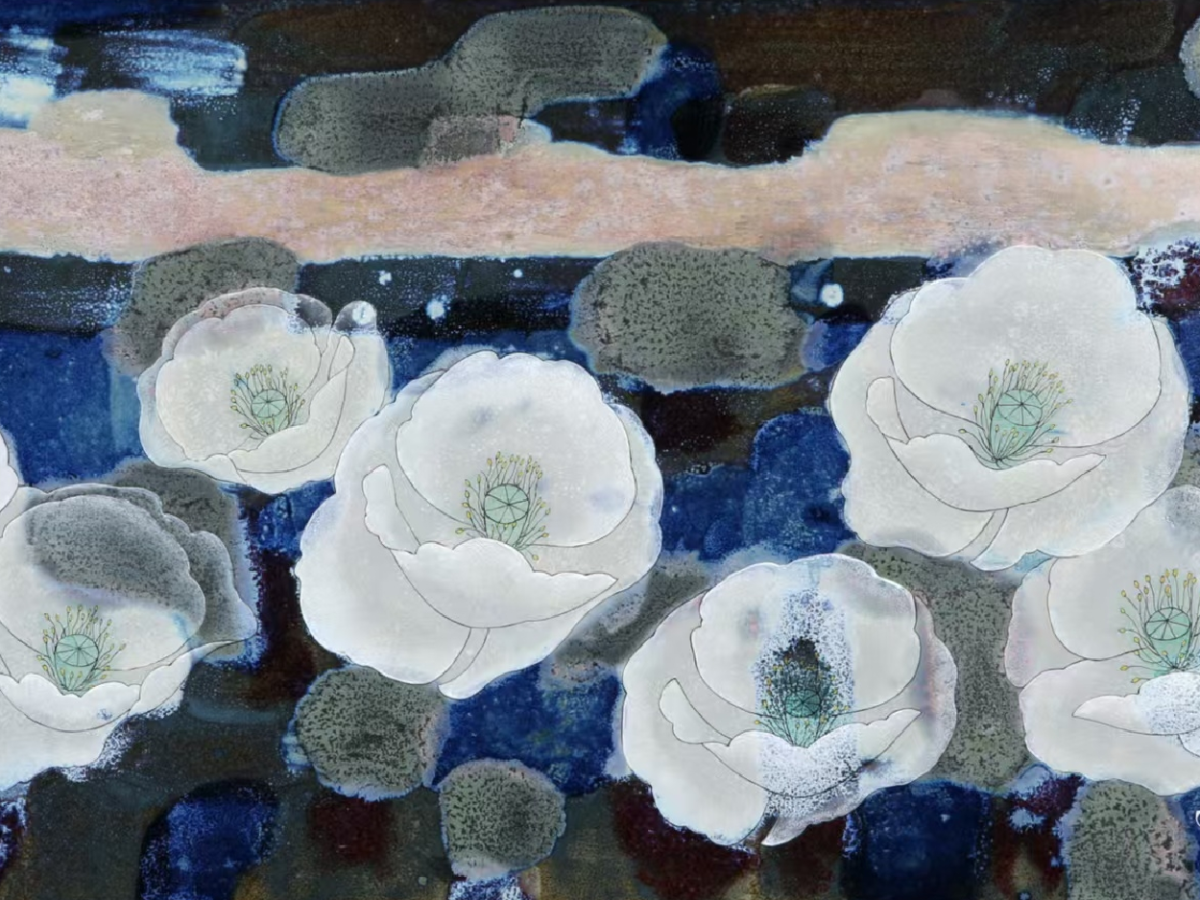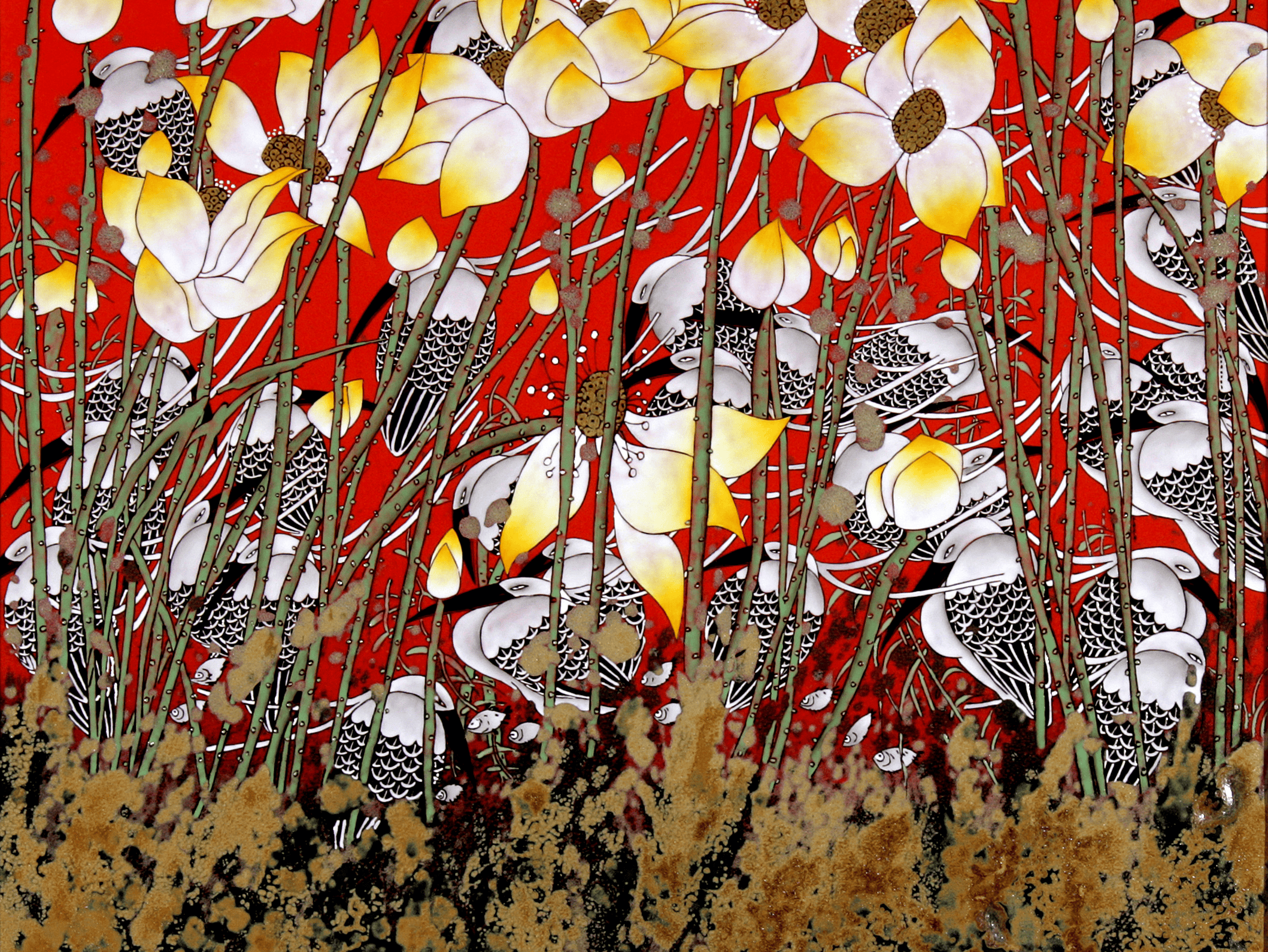
Clay sculpture expresses a extraordinary expression genre with a expansive background, running back thousands of ages. From ancient pots to current setups, the medium offers unequalled possibilities for creative expression. Artisans practice various techniques – including forming, wheel casting, and enhanced firing processes – to shape humble soil into pleasing three-dimensional works. The permanence of fired stoneware also contributes to its status as a truly consequential part of human heritage.
Examining Stoneware Sign Compositions and Methods
The domain of ceramic tablet design offers a ample array of resourceful possibilities. Artists often utilize a fusion of conventional and current techniques to craft visually bold pieces. These can range from simple, sculpted reliefs to complex, multi-layered layouts. Standard methods include template molding, hand building, glazing – which can involve multiple types like primary coloration, decoration on top of the glaze, and engraved motif where designs are disclosed by taking away a layer of finish. More study into external finishes such as flash firing and metallic glaze can create truly exceptional and tailored earthenware panels.
- Mold Making - Creating pieces using a frame
- Manual Crafting - Precisely forming the mud
- Enameling - Spreading the face with a glass-like finish
- Sgraffito - Highlighting designs by stripping overlays
Captivating Experiences: Ceramic Art Expositions
The advancing landscape of craftsmanship presents exciting fresh avenues for spectators, and ceramic art installations are at the vanguard of this movement. These aren't just static figurines; they are constructed to envelop the observer in a sensory space. Imagine moving inside a forest of towering, fired ceramic trees, or navigating a mesh of detailed ceramic vessels. Many makers are now incorporating harmonies, radiance, and even aroma to enhance the atmosphere of their work. Imagine the power of a room filled with hundreds of individually ceramic forms, each telling a account. Often, such installations analyze themes of environment, heritage, and people.
- They installations blur the frontiers between creation and setting.
- Observing a ceramic art installation can be a deeply transformative journey.
- Craftsmen are pushing the frontiers of what is possible with clay.
One Beauty of the Porcelain Vase: Utility and Form
The stoneware vessel represents a admirable conjunction of functionality and imaginative appeal. Historically, these containers served a rudimentary role in supporting objects, but their development has transformed them into highly valued works of mastery. Each piece showcases the proficiency of the creator, demonstrating how shape can be as essential as service. The deliberate shaping, the uncommon glazes, and the aggregate presence of a finely-produced jar can raise a space, offering both elegance and a modest reminder of the designer’s hand.
Current Terracotta Design : Extending Edges
Latest brick art represents a fascinating change from established practices. Sculptors are actively pushing with original tactics, merging the lines between ceramics and diverse imaginative areas. From immense installations to ornate miniature pieces, these works investigate themes of environment while together remodeling the fundamental of what porcelain can manifest. The upshot is a dynamic landscape of artistic design.
Earthenware Inscription: Maintaining Past in Earthenware
Earthenware plaques offer a special method for registering significant events and persons. Contrasted with traditional metal or stone markers, these tough pieces of work are formed from baked clay, creating a concrete link to the former times. Frequently, they display intricate reliefs or hand-painted imagery, telling stories that might otherwise be passed over. One technique, rooted in ancient folk, provides a captivating and Magic Cube Ceramics durable way to celebrate our collective narrative.
- These particular can be established in collective spaces.
- Scores of are now recognized historical heirlooms.
Earthenware Art Creations: Transforming Places
Stoneware art installations are developing a significant medium for builders to transform public and private spaces. These immersive pieces frequently involve considerable clay artifacts that surround viewers, shifting their awareness of the created environment. By utilizing diverse systems like artisanal crafting and intricate firing tactics, ceramic artists construct truly distinctive experiences, breaking down the separations between art and building. The effect is often a stirring metamorphosis that elevates the sensory quality of the setting and initiates exchange.
Outset Rotating Wheel to Wonder: The Method of the Clay Holder
The journey of a clay holder from a simple lump of earth to a perfected work of craft is a testament to human brilliance. Historically, the process launches with the potter’s spinning device, where the proficient artisan shapes the whirling terracotta into a cylindrical structure. This introductory phase demands sharpness and a keen eye, followed by a delicate curing period. Once raw-fired, the container is ready for beautification, which may involve coloring intricate figures, engraving detailed views, or implementing a assortment of varnishes. The closing firing process then modifies the product into a durable and beautiful container, a tangible expression of the designer's talent.
Modeling with Terracotta: A Tutorial to Pottery Work
Immersing the landscape of ceramic creation begins with learning the tenets of molding with earthenware. This particular procedure calls for systematically adding and removing mass to build three-dimensional creations. Regardless of you're a starter or a master artist, experimenting with various sorts of pottery – particularly ceramic – will facilitate you explore your original manner. In conclusion, brick forming is a valuable undertaking that connects dexterous mastery with inspired exhibition.