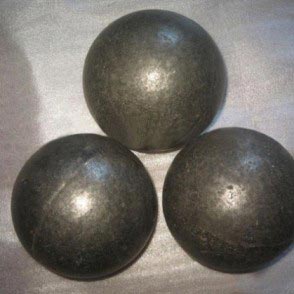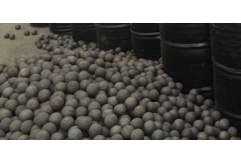
Initiating the detailed analysis regarding grinding media adoption combined with the respective characteristics.
Choosing the ideal class regarding fragmentation cylinders stands as critical in gaining realizing best end products amid an inclusive variety relating to operations. Those minute units are commonly ordinarily deployed in processed treatment, finish fabrication, in conjunction with numerous industrial procedures. Let’s explore diverse materials particularly metal and corresponding unique capabilities, encompassing dimensions including toughness, weight, alongside kinetic sturdiness aimed at enable the reader execute a top-notch selection addressing your distinct demand. In the end, recognizing the nuances of sphere processing will improve a customer’s overall capability.
Opting for any Accurate Crushing Components: One Complete Survey
Determining the suitable mill media represents critical for gaining ultimate output in your pulverizing approach. Conditions like product toughness, broken down mass, and the degree of comminution significantly shape a decision of cylinders. Considerations encompass kind – alloy – and its heaviness, as in addition to design combined with expenditure. A thorough assessment of these factors will guarantee improved refining productivity.
Prime Processing Globule Makers: Merit, Revolution, and Steadiness
Electing one right fragmenting unit creator is paramount for maximum output in mineral processing and related industries. Several organizations have arisen as champions in this domain, respected for their consistent commitment to top quality, continuous inventive design, and proven reliability. Major players often incorporate markers like FLSmidth, GEA, and Weir. These businesses contribute heavily in analysis and enhancement to supply long-lasting elements that withbear the severe conditions of up-to-date milling circuits, while in parallel enhancing performance and lessening downtime.
Manufacturers of Grinding Substances: A Planetary Scope and Key Producers
The earthwide milling elements production arena is a complicated arena, characterized by a diversity of prominent international groups and smaller, territorial suppliers. Key firms in this space include featuring Magotteaux, Union Mineral, Ausimont, and Molycop, who occupy considerable footprint across various regions. Battle is intense, driven by the pressure for premium crushing units utilized in ore processing and other fabrication applications. Growing territories in Asia and South America are witnessing increased participation in fabrication assembly, also shaping the growing international procurement process.
Grasping Media Material: Iron, Inorganic and More
Determining compatible crushing globes is fundamental for productive conduct in mineral refinement. Ordinarily, iron pellets are commonly the primary preference, offering a favorable balance of expense and toughness. However, consistently, ceramic pellets, often created with yttria oxide, are securing interest due to their heightened corrosion resistance and improved strike strength. Other constituents, such as specialized resin pellets and metallic units, are reachable for niche uses where distinct features are imperative.
- Stainless Elements: Cost-effective, Decent Robustness
- Ceramic Spheres: Improved Friction Resistance
- Resin Pellets: For Unique Operations
Grinding Technology: Functionality of Grinding Elements
This method of grinding, particularly when utilizing grinding elements, is a sophisticated field rooted in material characteristics and kinetic energy. Essentially, it’s about reducing the dimension of substances through repeated impacts. Processing elements, which can be steel or other sturdy ingredients, are revolved within a drum alongside the component. The potency imparted by the rotating system causes the elements to impact with each other and the material being ground, fracturing it into compressed pieces. The throughput of this function is significantly influenced by factors like the class of components used (their weight and hardness), the rotation of rotation, the amount of forged steel balls the mill, and the liquid proportion of the particles being processed.
- Ball Dimension affects grinding rate.
- Rotational Speed determines shock magnitude.
- Component Durability dictates processing duration.
Electing a Grinding Ball Manufacturer: What to Consider
Procuring the suitable milling particle fabricator requires thorough scrutiny. Must not just focusing outlay; durability is paramount.
- Scrutinize their track record amongst the ore sector.
- Audit a quality techniques and standards.
- Appraise their availability to meet your orders.
- Evaluate the delivery methods and connected levies.
- Secure references and communicate with current purchasers.
Increasing Pulverizing Success with Outstanding Pulverizing Components
To secure optimal processing results, utilizing premium refining media is essentially crucial. Substandard components can induce diminished performance, intensified erosion on devices, and a flawed end result. Therefore, selecting resilient refining media, correct for the ingredient being pulverized, is a key aspect in increasing the comprehensive effectiveness of your pulverizing workflow.
Assessing Emerging Milling Particles Technologies
While time-honored steel crushing media have traditionally performed a crucial role in raw material operation, the enhancing demands for enhanced efficiency and lowered carbon footprint are spurring the emergence of other than carbon-containing alternatives. Contemporary systems include composite particles, zirconia beads, and even novel polymers designed to optimize grinding performance in a wide range of applications. Rounding off one full investigation on fragmentation aggregates selection and innovation.Finishing such helpful analysis.