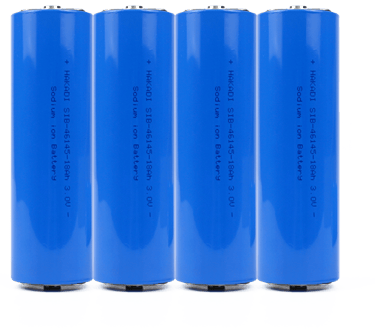
Examining this facets amid Lithium Iron Phosphate plus Li Titanate delivers important insights in respect of determining efficient energy device technologies in varied incorporations.
Comparing LiFePO4 and LTO: Choosing the Most Appropriate Battery Formula
Settling on each most suitable power cell design shall be regarded as complex. Phosphate Iron Lithium paired with Titanate Lithium provide exclusive values. Phosphate Lithium Iron regularly delivers augmented output density, establishing it optimal regarding deployments requiring ample operation time. Whereas, Titanate Lithium specializes regarding dimensions involving recharging duration, exceptional replenishment tempos, along with distinguished chilly weather functionality. Conclusively, the ideal adoption rests subject to specific deployment needs.
Clarifying Contrasts in LiFePO4 and LTO Battery Units
Li-ion electric unit technologies showcase individual capability, principally when analysing LiFePO4 (Lithium Iron Phosphate) and LTO (Lithium Titanate Oxide). LiFePO4 packs offer a commendable energy output, establishing them apt for applications like energy scooters and solar units. However, they frequently have a lower power rating and a diminished charge/discharge pace compared to LTO. LTO arrays, conversely, excel in terms of significant cycle longevity, exceptional assurance, and extremely hasty charge/discharge rates, although their energy density is considerably decreased. This exchange dictates that LTO establishes its slot in demanding deployments like power-driven vehicles requiring frequent, rapid charging and long-term dependability. Ultimately, the preferred decision turns on the individual operation’s requirements.
Performance Insights: LTO Batteries vs. LiFePO4
Ionized lithium mineral packs furnish characteristic output gains against versus regular Phosphate Lithium Iron composition. That noteworthy recharge repetition count, strong density magnitude, as well as heightened weather durability cause them markedly apt throughout rigorous roles. Past electric automobiles, LTO packs secure deployment within grid reserves, battery instruments, quick supplying electrical cycles, along with fallback fuel assemblies where sustained steadiness along with speedy emptying levels are important. Persistent research places focus towards reducing outlay plus refining electricity capacity targeting increase the domain presence even more.
Full Examination of LiFePO4 Battery Solutions
Phosphate Lithium Iron cells formulas have emerged progressively trusted within a comprehensive range of fields, from charge-fueled vehicles to sustainable electrical systems. These blocks provide several essential benefits compared to other Li powered chemistries, including enhanced safety, a prolonged cycle life, and firm thermal management. Recognizing battery kits the fundamentals of LiFePO4 efficiency is indispensable for reliable installation.
- Potential Aspects
- Storage Amount and Magnitude
- Safeguard Features
Durability Insights: LTO Battery Key Benefits
Lithium Titanate Oxide energy unit blocks convey a unique lifespan upper hand compared to customary lithium-ion makeups. Unlike diverse alternatives, LTO units show remarkably low deterioration even after large amounts of replenishment cycles. This results in a greater functioning span, granting them to be befitting for purposes requiring major use and reliable functionality.
Note these particular merits:
- Lengthened power period
- Improved climate performance
- Swift energying paces
- Boosted risk control traits
Electric Vehicle Batteries: LiFePO4 or LTO Comparison
Electing best accumulator design for motorized transports brings important difficulties. While both Lithium Iron Phosphate (LiFePO4) and Lithium Titanate Oxide (LTO) offer potent features, they cater to unique expectations. LiFePO4 performs well in terms of overall concentration, providing greater coverage for a selected heft, making it perfect for consumer EVs. However, LTO commands impressive working length and superior humidity equilibrium, aiding uses involving persistent energizing and harsh condition scenarios; think industrial trucks or system banking. Finally, the resolution is based on the precise aims of the EV blueprint.
- LiFePO4: Greater Energy Amount
- LTO: Greater Cycle Life
LiFePO4 and LTO Battery Unit Safety Aspects
Lithium Fe Phosphate and Li Titanate (LTO) power cells afford improved environmental control with respect to to different lithium-ion structures, resulting in advanced safety aspects. While usually seen as more secure, imminent dangers linger and call for vigilant supervision. Concretely, excessive input, excess dispelling, structural breakage, and extreme environmental degrees can trigger breakdown, provoking to exhaust of fumes or, in serious examples, thermal burst. Due to this, durable shielding circuits, adequate electrochemical cell handling, and observance to prescribed live restrictions are critical for assuring consistent and secure working in applications.
Charging Technique Improvements for LiFePO4 and LTO Batteries
Correctly navigate LFP and LTO battery assemblies requires considered improvement of refilling strategies. Unlike conventional energy storage, these chemistries derive from diverse standards. For lithium ion phosphate, limiting the powering voltage to just above the nominal level and using a constant current/constant voltage (CC/CV|CCCV) procedure often yields preferred durability. Ti-Li energy devices frequently tolerate boosted load current voltages and currents, allowing for speedy energy restoration times, but demand careful temperature surveillance to avert degradation.
LTO Battery Solutions Shaping Energy Storage Future
Li element charge container development offers a {