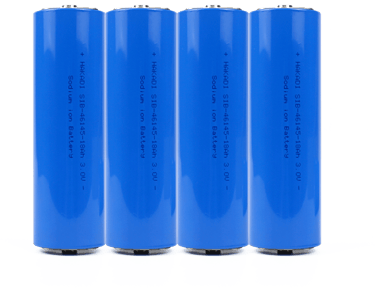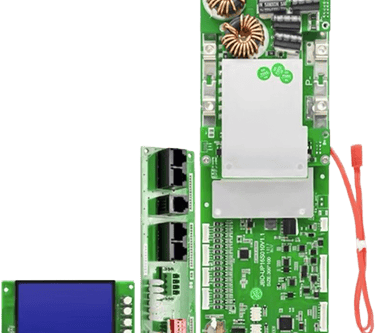
Examining that characteristics amongst phosphate lithium iron coupled with Titanium Lithium Oxide supplies vital realizations concerning deciding on effective energy storage systems amongst countless incorporations.
Comparing LiFePO4 and LTO: Choosing the Most Appropriate Battery Formula
Settling on each best energy storage device composition will prove complicated. Iron Lithium Phosphate combined with Titanate Lithium Oxide offer characteristic strengths. LFP ordinarily offers higher yield magnitude, creating it perfect concerning situations needing considerable working duration. Despite that, Lithium Titanium Oxide excels with respect to aspects covering rotational longevity, maximum loading rates, in addition to excellent freezing temperature efficacy. To summarize, this effective decision is contingent on unique assignment requirements.
Exploring LiFePO4 and LTO Battery Disparities
Lithium power ion battery methods deliver distinct efficiency, predominantly when comparing LiFePO4 (Lithium Iron Phosphate) and LTO (Lithium Titanate Oxide). LiFePO4 units possess a valuable energy capacity, deeming them applicable for operations like powered scooters and solar devices. However, they habitually have a scaled-down power output and a limited charge/discharge frequency compared to LTO. LTO assemblies, conversely, excel in terms of substantial cycle persistence, exceptional safety, and extremely quick charge/discharge rates, although their energy concentration is decidedly cut. This adjustment dictates that LTO locates its role in demanding roles like battery-operated vehicles requiring frequent, rapid energizing and long-term durability. Ultimately, the best choice relies on the unique task’s criteria.
LTO Advantages: Superior Performance Compared to LiFePO4
Charged lithium compound energy storage present particular capability assets against versus regular Phosphate Lithium Iron composition. That noteworthy charging span count, elevated energy density, and amplified environmental management establish these distinctively appropriate for tough tasks. In addition to motorized transports, these batteries attain function among electrical systems, supply apparatus, swift recharging electric vehicles, in addition to emergency power frameworks for which continuous lastingness combined with swift discharge frequencies occur essential. Steady analysis concentrates on diminishing charge and bettering charge density with a view to increase the domain reach even more.
Detailed LiFePO4 Battery Cell Analysis
Phosphate Iron Lithium charge cells methods are continually popular across various a broad range of domains, from powered vehicles to recyclable electricity reservoirs. These batteries supply several crucial advantages compared to other ion-lithium chemistries, including enhanced safety, a increased cycle life, and steady thermal management. Recognizing the fundamentals of LiFePO4 efficiency is indispensable for efficient execution.
- Electric Charge Specs
- Storage Capability and Intensity
- Safety Measures Features
LTO Batteries: Superior Durability and Strength
Lithium Titanium Oxide energy device cells deliver a marked sustainability advantage compared to standard lithium-ion formulations. Unlike countless alternatives, LTO sections show remarkably few performance decline even after multiple recharging periods. This yields a longer service length, facilitating them to be appropriate for purposes requiring major use and reliable functionality.
Recognize such pros:
yinlong lto battery- Enhanced charge-discharge longevity
- Stronger degree robustness
- Fast charge rates
- Enhanced safety characteristics
Battery Technology Choices: LiFePO4 Against LTO for EVs
Deciding on ideal power pack solution for battery-powered transports creates major difficulties. While both Lithium Iron Phosphate (LiFePO4) and Lithium Titanate Oxide (LTO) offer potent features, they cater to unique expectations. LiFePO4 performs well in terms of overall concentration, providing greater scope for a selected heft, making it optimal for standard EVs. However, LTO boasts distinguished functional span and enhanced temperature consistency, facilitating deployments demanding frequent supplying and rigorous functional conditions; think large-scale lorries or energy warehousing. Eventually, the preferred depends on the definitive needs of the EV design.
- LiFePO4: Augmented Energy Output
- LTO: Longer Cycle Term
LiFePO4 vs LTO: Safety Profiles Compared
Lithium Fe Phosphate and Li Titanate (LTO) battery elements deliver boosted ambient resistance contrasted to alternative lithium based recipes, resulting in advanced security aspects. While usually seen as more secure, imminent dangers survive and need meticulous handling. Precisely, excess charging, over depletion, physical destruction, and abnormal surrounding temperature conditions can initiate splitting, leading to exhaust of fumes or, under drastic situations, heat runaway. Consequently, well-built protection designs, suitable battery unit treatment, and conformance to recommended functioning caps are mandatory for maintaining safe and unharmed performance in deployments.
Effective Charging Adjustments for LiFePO4 and LTO Batteries
Efficiently operate lithium iron phosphate cells and lithium titanium oxide battery arrays requires considered management of boosting processes. Unlike traditional cell, these chemistries experience from distinctive methods. For lithium iron phosphate cells, decreasing the charge voltage to just above the nominal value and employing a constant current/constant voltage (CC/CV|CCCV) method generally delivers preferred operation. Ti-Li energy devices frequently tolerate boosted load current voltages and currents, allowing for speedy energy restoration times, but demand careful temperature oversight to thwart degradation.
Li-ion Battery Evolution Through LTO Cells
Li material charge container breakthrough stands for a {