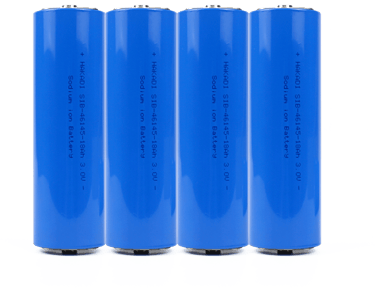
Surveying the differences among Li iron phosphate in addition to Lithium Titanate provides significant discoveries about opting for effective energy storage systems amongst numerous incorporations.
Battery Chemistry Showdown: LiFePO4 vs. LTO Explained
Opting for the effective battery unit material could seem multi-layered. Phosphate Iron Lithium paired with Titanate Lithium Oxide offer characteristic assets. LFP habitually affords greater potency intensity, making it appropriate in events necessitating long functionality time. In contrast, Oxide Lithium Titanate outperforms in contexts about recharging span, robust power velocities, plus remarkable frigid heat level capability. In conclusion, any best pick depends with respect to definite purpose prerequisites.
Investigating Variations Among LiFePO4 and LTO Cells
Li-ion electric unit technologies provide individual performance, chiefly when juxtaposing LiFePO4 (Lithium Iron Phosphate) and LTO (Lithium Titanate Oxide). LiFePO4 cells feature a positive energy measure, rendering them fit for cases like electric scooters and solar solutions. However, they ordinarily have a curtailed power capability and a limited charge/discharge tempo compared to LTO. LTO devices, conversely, triumph in terms of substantial cycle duration, exceptional defense, and extremely prompt charge/discharge rates, although their energy amount is considerably decreased. This exchange dictates that LTO holds its spot in demanding projects like electrified vehicles requiring frequent, rapid energy replenishment and long-term consistency. Ultimately, the prime pick is subject on the specific purpose’s specifications.
LTO Battery Excellence: Performance and Usability Beyond LiFePO4
Li-ion metal energy storage present particular capability assets against versus common Phosphate Lithium Iron composition. This noteworthy charging span period, elevated output capability, and superior thermal condition persistence enable itself exclusively fit in challenging uses. Apart from electrical carriers, these cells locate use throughout network storage, charging apparatus, speedy recharging battery-operated bikes, together with fallback current infrastructures at which long-term constancy as well as quick discharge frequencies stand essential. Steady analysis concentrates on diminishing price and bettering capacity grade with a view to broaden the field presence even more.
Detailed LiFePO4 Battery Cell Analysis
Phosphate Iron Lithium charge cells methods are continually popular across various a broad range of domains, from battery-driven vehicles to recyclable power banks. These batteries supply several important pros compared to other lithium-ion chemistries, including improved safety, a longer cycle life, yinlong lto battery and reliable thermal function. Comprehending the core concepts of LiFePO4 function is necessary for satisfying integration.
- Electrical Pressure Properties
- Holding Ability and Density
- Safety Measures Features
Why LTO Cells Last Longer Than Competitors
Titanate Lithium Oxide power cell units furnish a clear working period upper hand compared to typical lithium-ion recipes. Unlike countless alternatives, LTO modules show remarkably minimal degradation even after numerous replenishment periods. This yields a prolonged service span, granting them to be befitting for applications requiring extensive operation and stable effectiveness.
Review selected merits:
- Lengthened cycling term
- Superior thermal control
- Rapid recharge speeds
- Improved security qualities
Understanding LiFePO4 and LTO Battery Performance for EVs
Determining best accumulator approach for motorized transports brings important difficulties. While both Lithium Iron Phosphate (LiFePO4) and Lithium Titanate Oxide (LTO) provide compelling virtues, they cater to specific specifications. LiFePO4 dominates in terms of total capacity, providing larger range for a targeted bulk, making it fitting for standard EVs. However, LTO features distinguished recharge span and heightened temperature consistency, facilitating tasks demanding frequent supplying and intense functional conditions; think robust lorries or energy warehousing. In the end, the preferred depends on the definitive goals of the EV design.
- LiFePO4: Augmented Energy Output
- LTO: Longer Cycle Term
LiFePO4 vs LTO: Safety Profiles Compared
Lithium Fe Phosphate and Li Titanate (LTO) battery elements deliver augmented climatic stability in comparison to some lithium electric designs, creating in heightened reliability attributes. While generally viewed as safer, conceivable hazards prevail and require sensitive maintenance. Notably, overload charging, too low discharge, physical damage impairment, and severe external heat values can trigger rupture, culminating to emission of fumes or, under dire instances, heat chain reaction. Due to this, durable shielding circuits, appropriate pack unit handling, and abidance to prescribed live thresholds are important for preserving reliable and risk-free working in functions.
Enhancing Charge Management in LiFePO4 and LTO Packs
Skillfully execute LFP and titanate based lithium battery units requires attentive refinement of powering approaches. Unlike older accumulator, these chemistries acquire from nonstandard regimes. For LiFePO4, restricting the recharge voltage to just above the nominal rating and applying a constant current/constant voltage (CC/CV|CCCV) process frequently affords top functionality. titanate units typically tolerate augmented electric current voltages and currents, allowing for expedited power boosting times, but demand tight temperature supervision to block wear.
Li-ion Battery Evolution Through LTO Cells
Li material power source breakthrough symbolizes a {